Top 10History & Oddities
Top 10 British urban legends and what really happened
Ranked by how good the real origin story is, and how neatly the truth beats the myth. Fairies turn out to be paper, and the crop circle gang just had a plank.


Ranked by how good the real origin story is, and how neatly the truth beats the myth. Fairies turn out to be paper, and the crop circle gang just had a plank.
A physicist wrote a solo paper in the plural, and the journal didn't allow that. The cheapest fix involved a pen name and the family pet.
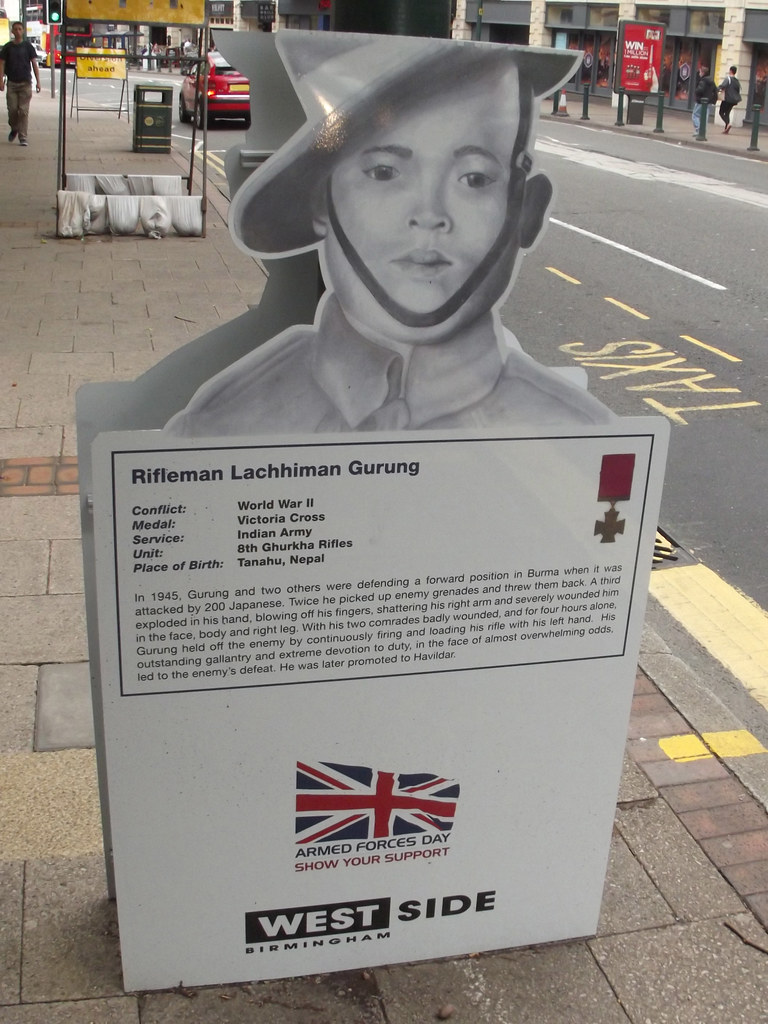
The third grenade went off in Lachhiman Gurung's right hand, so he loaded and fired with his left for four hours. The old 'one hand against 200' line is a bit off, and the true version is better.
A Soviet officer called the 1983 missile warning a mistake and was promised a reward. What he got was a note about his paperwork, and years of silence.
Ten Royal Marines set off in folding canoes to attack a heavily defended port, and one canoe was holed before it touched the water. Two men made it back, on foot, over the Pyrenees.
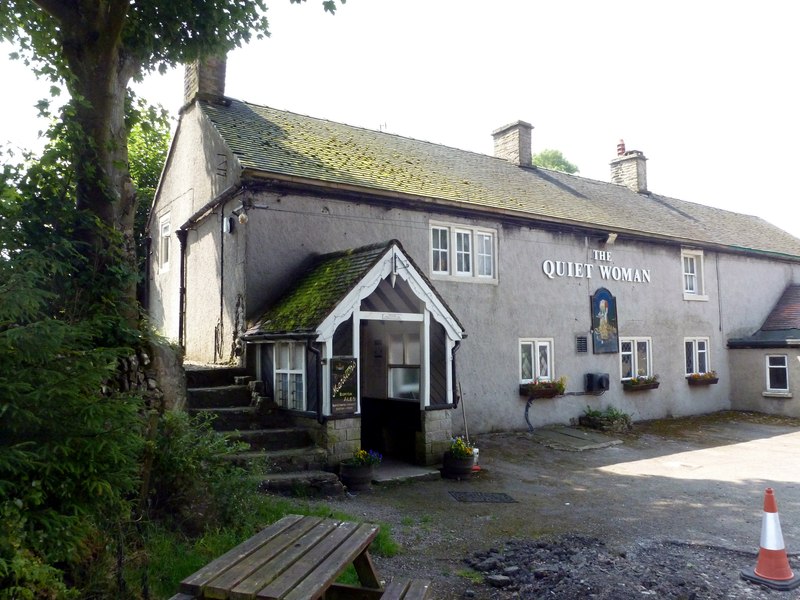
Ranked by how well the legend survives the paperwork, judged by how good the story is. Some ghosts have records. Others have a landlord who simply stopped writing things down.
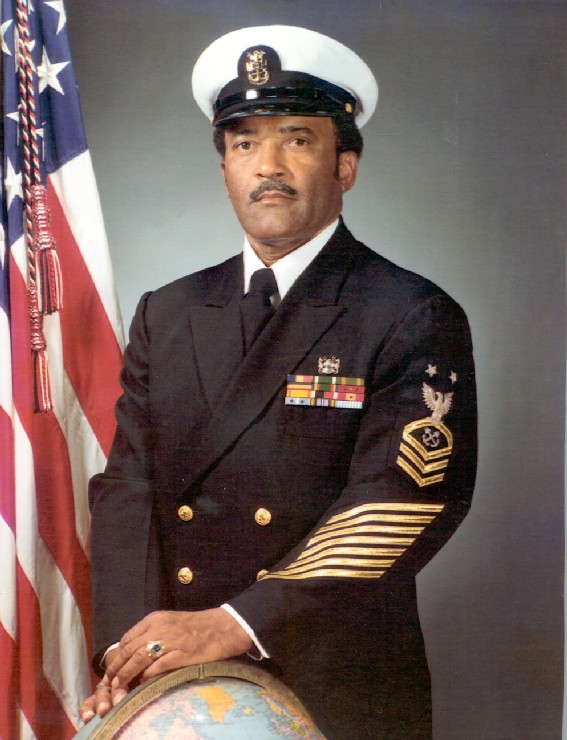
A steel pipe broke loose on a recovery ship off Spain, where a lost hydrogen bomb was the job in hand. Carl Brashear lost part of a leg, then did some arithmetic the Navy never saw coming, and dived again.
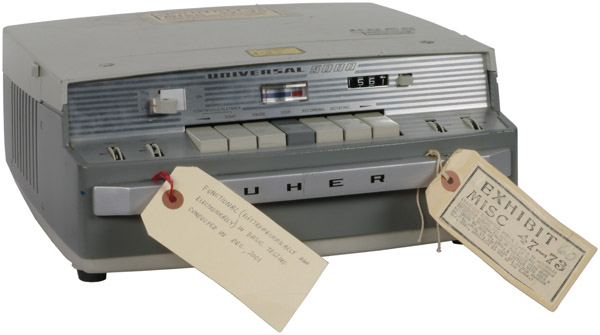
Ranked by the twist, the daft detail and how high up the fooled went. A president taped his own cover-up, and the spooks lost the evidence by misfiling it.
A spider hangs from a silk thread in the dark, legs twitching. Young ones are see-through, so you can watch the retinas swivel inside. Wake one up and it makes up the missing REM-like sleep the next night.
Charles Lightoller's boat was built for about 21 people. He brought back roughly 130 men, with his eldest son and a teenage Sea Scout as crew.
Ranked by how long they stuck in the national memory, and how much of them we still say, hum or quote. One starred a meerkat who outsold Tony Blair.
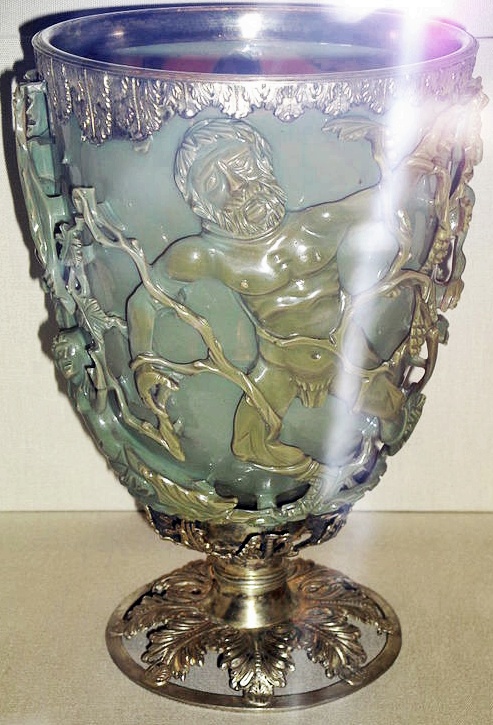
Hold the Lycurgus Cup in daylight and it is jade green. Put a light behind it and it turns ruby red. A Roman glassmaker managed this in the fourth century. A technician from Sheffield has now made glass that does it too.
One forger painted his way out of a collaboration charge. Sherlock Holmes's creator published fairy photographs. And a regulator went after the reporters instead of the company.
A Syrian brown bear got on a British ship because the Polish army put him on the books. He ended up on a regimental badge, in Edinburgh Zoo and finally in bronze.
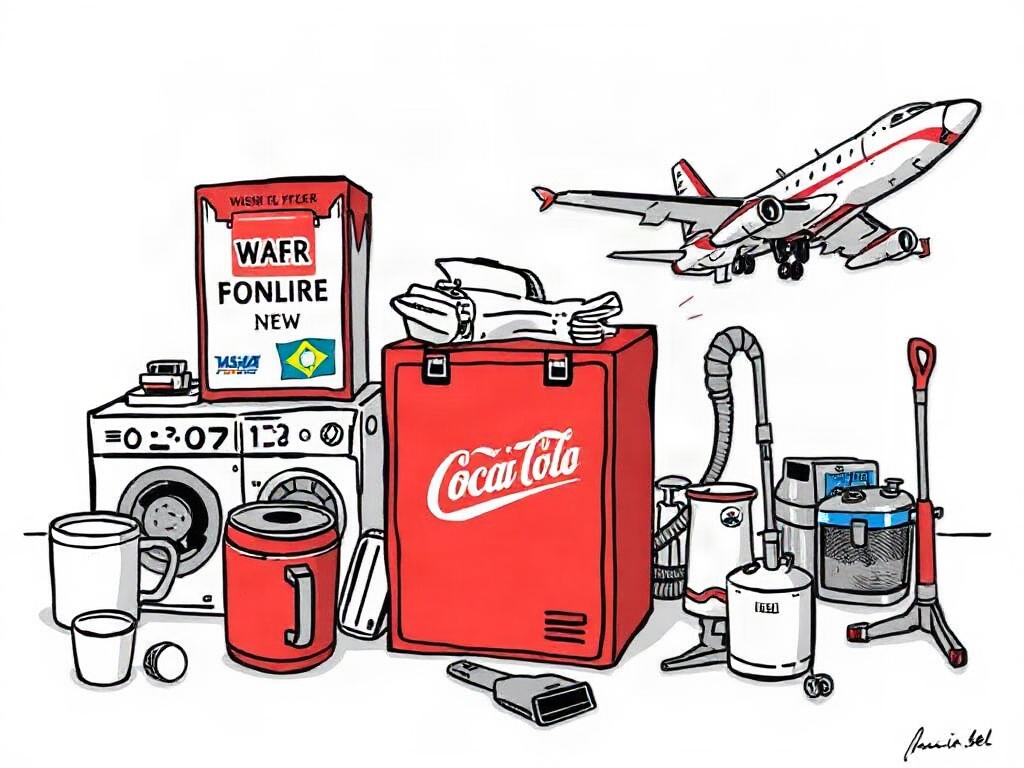
A washing powder that ate the washing, a fighter jet for $700,008.50 and a vacuum cleaner that came with flights to America. Ten times the box, the advert or the launch said one thing and something else turned up.
In October 1967 Ed Sanders wrote the instructions for lifting America's military headquarters 300 feet and shaking the demons out. Nearly 60 years on, he has one complaint about the follow-through.
The government says its publicly owned trains already run better on average. That depends who is in the average, and one former regulator says ask again in ten years.
It began with a developer watching Happy Feet with his daughter. It ended up as a game about colonial myth-making in 1939 Antarctica, and critics are split on where the horror went.
Anthropic's new rule protects a chatbot's feelings, just in case it has any. Its own researcher puts the odds at about one in seven.
A 75,000-year-old shoulder blade has a hole clean through it. A split tooth in the same skeleton says that, years before, somebody kept its owner going for at least a year.