


Every scam needs a victim, but the best ones need an expert to nod along. Curators, regulators, pension funds and the creator of Sherlock Holmes all fell for stories that were simply too good to question. The countdown starts with a crypto exchange that had a back door in its code and ends with a forger who had to paint his way out of the dock.
10 FTX
FTX was where you parked your crypto while you traded it. Prosecutors said Sam Bankman-Fried quietly passed customers' money to his own hedge fund, Alameda Research, and had FTX's code changed so Alameda could withdraw effectively unlimited crypto. The money went on loans, property and political donations, and false accounts kept the lenders calm. The professionals waved it through: the Ontario Teachers' Pension Plan, which said it did "robust due diligence on all private investments", and Sequoia Capital both invested. In November 2022 customers asked for their money back, and it wasn't there. Larry David, who had never done an advert before, was in FTX's Super Bowl ad.
Why it’s here: A back door in the code got past pension funds and venture capitalists.
Share this item

9 Wirecard

Wirecard was a German payments company big enough for the DAX, and it said it had €1.9bn in cash, held in trust accounts at two Philippine banks. When Financial Times reporters questioned its accounts, the regulator, BaFin, banned short-selling of the shares and filed a criminal complaint against the reporters, a probe that was later dropped. In June 2020 the auditor, EY, could not confirm the money. The banks said the documents were forged and that they had never dealt with Wirecard. Wirecard admitted the cash probably did not exist, and within days it was insolvent. So where did the €1.9bn go? Nowhere. It was never there.
Why it’s here: The regulator went after the reporters instead of the company.
Share this item

8 Knoedler Gallery
Knoedler had sold art in Manhattan for 165 years, with the Metropolitan Museum of Art, the Louvre and the Tate among its clients. So when it offered newly discovered Rothkos, Pollocks and de Koonings from a secret collector known as "Mr X", buyers paid: more than $80m in all, $8.3m for one "Rothko". The pictures came with stories instead of paperwork, and nobody insisted on the paperwork. The gallery closed in 2011, and its former president says she was misled too. The truth was simpler. There was no Mr X. There was a painter in Queens, reportedly paid about $6,000 a picture.
Why it’s here: A 165-year-old gallery sold more than $80m of fakes on stories alone.
Share this item

7 Theranos
Before she was convicted of fraud in 2022, Elizabeth Holmes had a board most governments would envy: George Shultz, three former cabinet secretaries and two former senators. General James Mattis put in $85,000 of his own money. They were backing the Edison, a machine meant to run hundreds of blood tests from one finger-prick. It couldn't. A former lab associate testified that the Edisons often failed quality control and that results were cherry-picked to pass. Investor reports carried drugmakers' logos, though no drugmaker had ever validated the technology. And when visitors came for a demonstration, their samples were quietly carried downstairs and run on someone else's machines.
Why it’s here: Statesmen and a general backed a machine whose demos ran downstairs.
Share this item

6 Bre-X
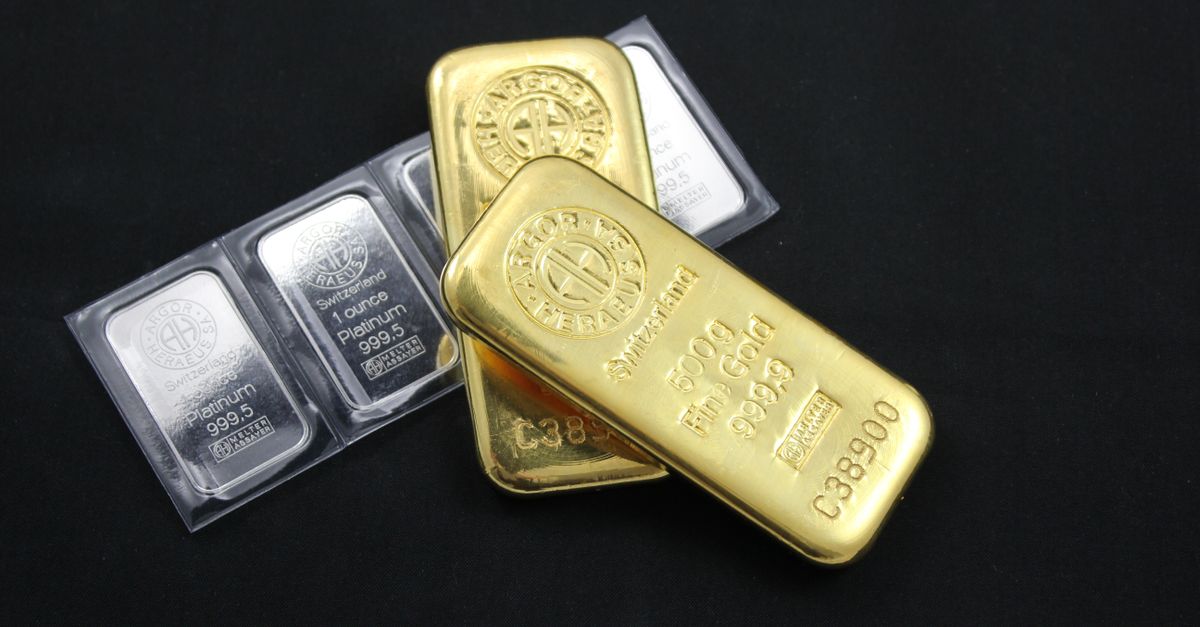
A tiny Canadian company called Bre-X announced one of the biggest gold finds in history, at Busang in the Indonesian jungle, and its shares went from penny-stock status to more than $200. In February 1997 the mining giant Freeport-McMoRan became its partner and drilled seven holes of its own to check. Nine days after Freeport's first results came in, Bre-X's geologist Michael de Guzman died after leaving a helicopter over the jungle. Freeport's holes held insignificant amounts of gold. In May an independent audit found widespread tampering with Bre-X's samples. Investors lost about $3 billion. Some early samples had reportedly been salted with ground-up wedding rings.
Why it’s here: A gold rush with almost no gold, and nobody was ever convicted.
Share this item

5 Bernie Madoff
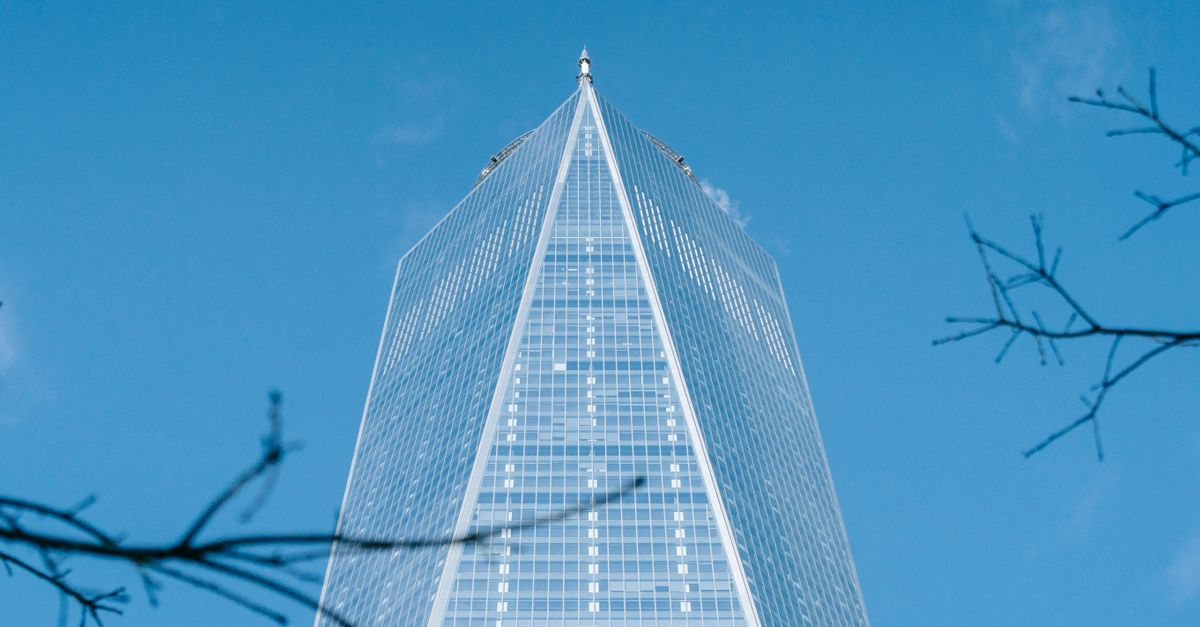
Bernie Madoff, a former Nasdaq chairman, ran a fund that made steady money whatever the markets did. It made no trades at all. Investors' money went into a JPMorgan Chase account, new deposits paid out the old investors, and millions of pages of made-up statements went out in the post. The regulator was told. The SEC received six complaints in sixteen years, one of them titled "The World's Largest Hedge Fund is a Fraud", and never checked his trading with anyone independent. On 10 December 2008 Madoff told his sons it was a Ponzi scheme. His finance chief later summed up the trading in two words: "all fake".
Why it’s here: Six warnings to the regulator, and nobody ever asked to see a trade.
Share this item

4 The Hitler Diaries
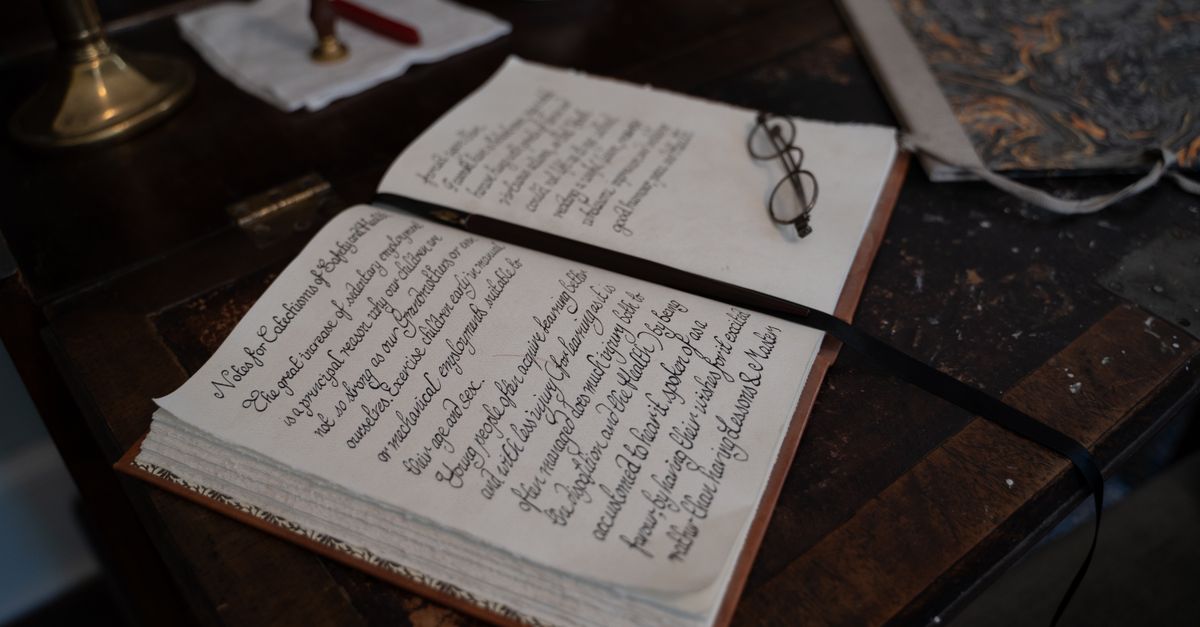
In April 1983 the German magazine Stern announced it had found Hitler's diaries: 62 volumes, bought for 9.3 million Deutschmarks. The claim leaned on the Cambridge historian Hugh Trevor-Roper, who couldn't speak German and was given half an hour with them in a Swiss bank vault. He vouched for them anyway, then said he regretted that the normal methods of verification had been sacrificed. Eleven days after publication began, the West German federal archives declared them forged: simple chemical tests had shown supermarket notepaper. The author was Konrad Kujau, a small-time forger, and he had put "F H" on a cover instead of "A H".
Why it’s here: Millions were paid on the strength of a half-hour look in a bank vault.
Share this item

3 Piltdown Man
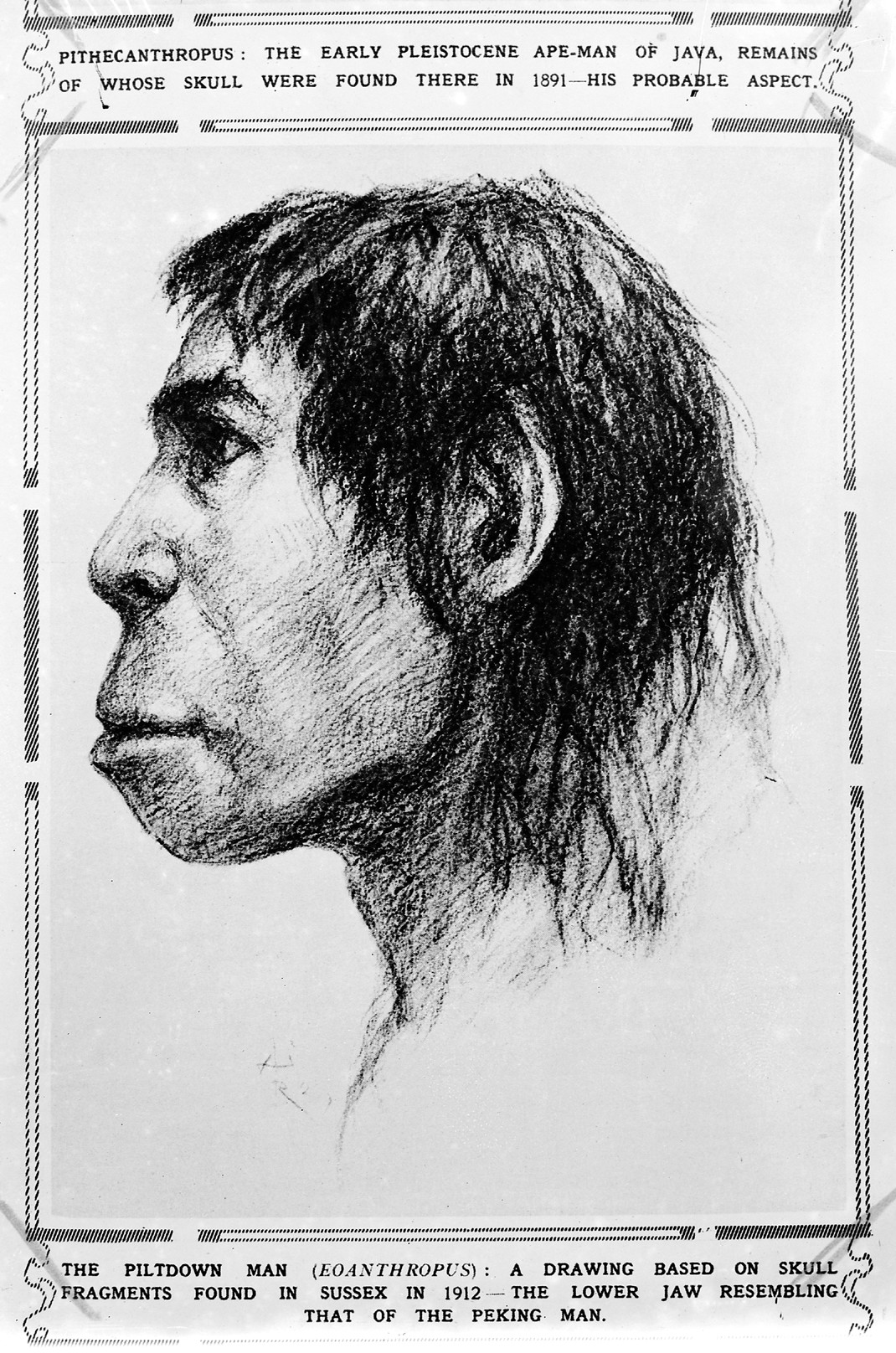

On 24 May 1912, an amateur fossil collector called Charles Dawson handed Arthur Smith Woodward, Keeper of Geology at the Natural History Museum, some skull fragments and an ape-like jaw from a gravel pit at Piltdown. Legend has it he said, "How's that for Heidelberg?" Woodward announced the earliest Englishman. The anatomist Arthur Keith called the find "by far the most important ever made in England". The anatomist David Waterston said the jaw looked like an ape's, and was ignored for about four decades. In 1953 Joseph Weiner and Kenneth Oakley reported that the jaw and teeth were not fossils at all. Waterston had been right. It was an orang-utan's jaw, stained to look old, with its teeth filed down.
Why it’s here: It fooled British science for four decades, and the one man who spotted it was ignored.
Share this item

2 The Cottingley Fairies

In 1920 Arthur Conan Doyle, creator of the world's most famous detective and a committed believer in spirits, published photographs of fairies in The Strand Magazine. Two cousins, Elsie Wright and Frances Griffiths, had taken them in 1917 beside the beck at Cottingley, near Bradford, with a borrowed camera. The photographic expert Harold Snelling examined the negatives and found no sign of faking. Kodak found nothing either, though it wouldn't certify them. The pictures stood for more than sixty years. Then, in 1983, the cousins admitted the truth: Elsie had copied the fairies out of a children's book.
Why it’s here: Two girls with a borrowed camera fooled the man who invented Sherlock Holmes.
Share this item

1 The fake Vermeer: painting his way out of the dock
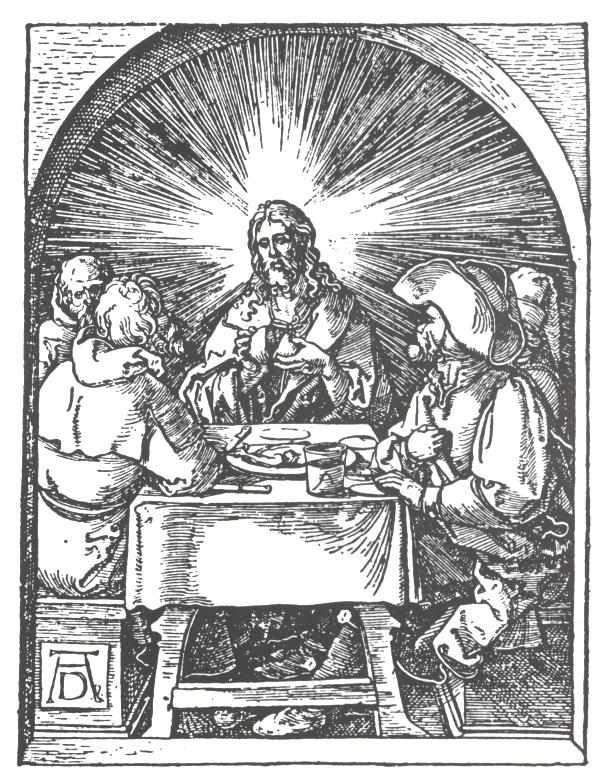

In 1937 the eminent art historian Abraham Bredius hailed a newly found "Supper at Emmaus" as "the masterpiece of Johannes Vermeer of Delft", and the Rembrandt Society paid 520,000 guilders for it. The painter was Han van Meegeren, whose own work got a shrug, so he had spent six years learning to paint like Vermeer instead. After the war a "Vermeer" in Hermann Göring's collection was traced back to him, and he was arrested for aiding the enemy, which carried a possible death penalty. His way out was to confess to forgery. Nobody believed him, so he painted a new "Vermeer" while witnesses watched. That one fetched 3,000 guilders.
Why it’s here: He talked his way out of a possible death penalty by forging in front of witnesses.
Share this item

Most of these fell to a test someone finally ran: a drill hole, an audit, a chemical test or a reporter nobody wanted to hear. Next time something sounds too good to be true, check the jaw.