


Haunted pubs are the best thing about British ghosts: the dead get a roof, a fire and an audience that has already had two pints. Number ten starts with a rebel general hiding in a priest's hole. Number one is a pub sitting inside a stone circle. Argue with the order.
10 Lord Crewe Arms, Blanchland, Northumberland
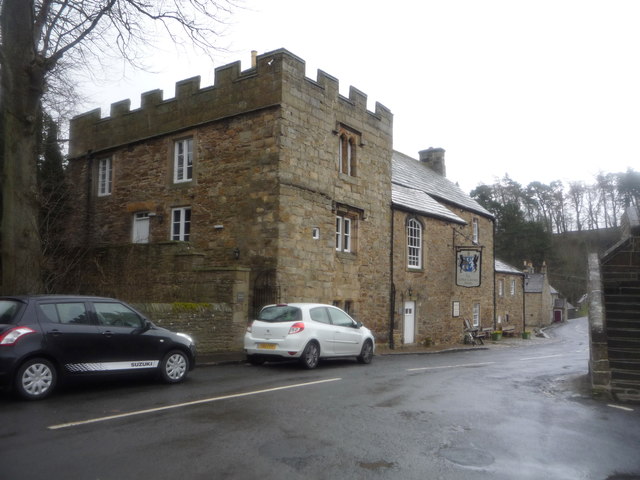

In 1715 Tom Forster was sitting in Newgate, awaiting trial for his part in the Jacobite rebellion. He was an odd choice for a rebel general: no military experience at all, picked to lead the Jacobite forces in England because he was a Protestant. His sister Dorothy helped him escape, and he is reputed to have hidden in the priest's hole beside the fireplace at Blanchland before slipping off to France. Legend has it Dorothy's ghost still haunts the upper floors, urging guests to take word across the Channel that it's safe to come home. Here's the catch. In 1704 the family's debt-ridden estates, Blanchland included, were bought for £20,697 by Lord Crew, Bishop of Durham. His wife was Tom's aunt. Even the ghost's story stayed in the family.
Why it’s here: The building and escape are documented, but the hiding place is only reputed and the ghost is pure legend.
Share this item

9 The Ten Bells, Spitalfields
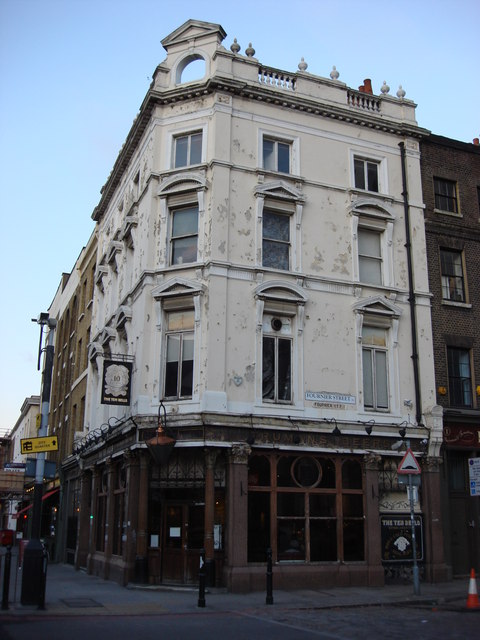

For twelve years this London pub was called The Jack the Ripper. From 1976 to 1988 the bars were hung with Ripper memorabilia, and you could order a dark red drink called Ripper Tipple's. Annie Chapman may have drunk here shortly before her murder. A Reclaim the Night campaign eventually got the brewery to order the old name back. Then came the ghost. Staff upstairs in the late 1990s kept meeting a Victorian man, or so the story goes. In June 2000 a new landlord cleared the cellar and found a metal box of George Roberts's belongings, including a press cutting about his murder. Roberts had kept the pub. The landlord decided the ghost was him. Twelve years in the Ripper's name, and the landlord decided the ghost was somebody else.
Why it’s here: Real paperwork in the cellar, but the ghost is a different man from the famous one.
Share this item

8 The Mermaid Inn, Rye, East Sussex
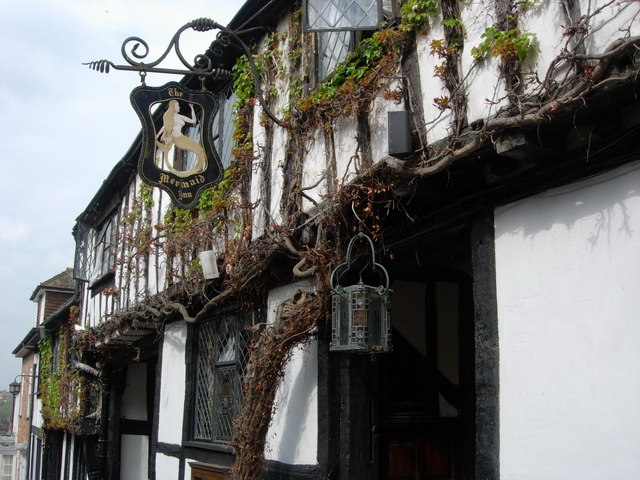

The Hawkhurst Gang ran their smuggling from the Oak and Ivy at Hawkhurst, but they liked a day out. At the Mermaid in Rye, they sat at the windows carousing and smoking pipes, loaded pistols on the table in front of them. Nobody asked them to move. Seven of the gang were later found guilty of murdering a witness and the officer protecting him. Landlord Thomas Bean colluded with smugglers in kidnapping a sheriff's bailiff from the inn, and in 1751 the inn's accounts cease abruptly. That's the paperwork. The ghosts have far less of it. A murdered maid, no name, no date. A secret tunnel and a revolving cupboard that were probably just storage. The smugglers left a paper trail. The ghosts haven't.
Why it’s here: Half the story is documented, half is folklore, and the half with the paperwork is the better one.
Share this item

7 Ye Olde Trip to Jerusalem, Brewhouse Yard, Nottingham
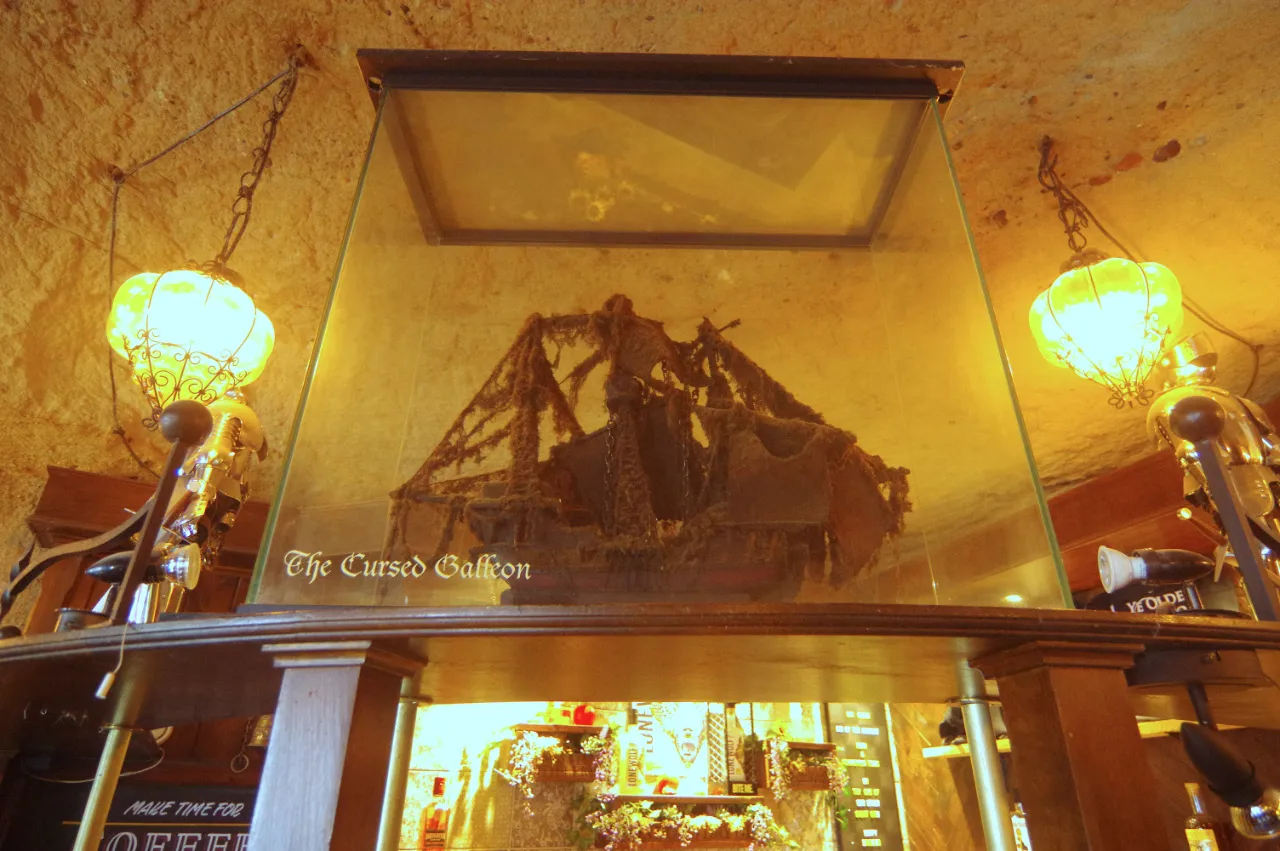

Above the bar sits a model galleon that nobody will dust. Legend has it the last three people to clean it died within a year or so, which is a hard thing to put in a job advert. So landlords have refused to let anyone near it, and it now sits in a glass case in the Rock Lounge, furred with decades of grime. The pub also claims it was founded in 1189, a date its own publicity admits is difficult to verify. The oldest parts of the building date to about 1650 to 1660. The curse is only a story. The grime is the one part of it you can see.
Why it’s here: The curse is only legend, but the dust is real and the date is shaky.
Share this item

6 Old Ferry Boat Inn, Holywell, Cambridgeshire
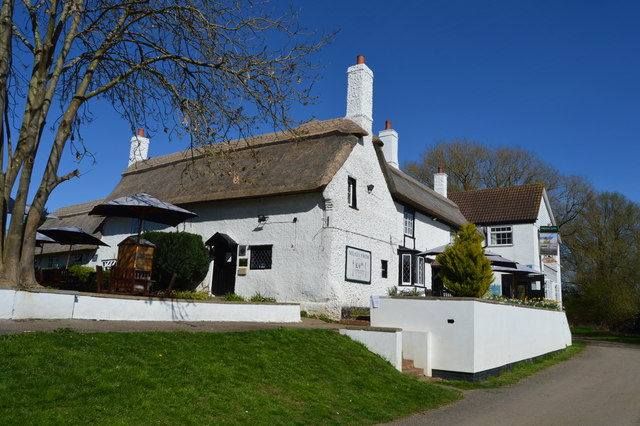

The Old Ferry Boat Inn claims to have been serving since AD 560, which would make it the oldest pub in England. Its ghost is Juliet Tewsley, who, legend says, hanged herself on 17 March 1050 after a woodcutter turned her down. Legend also says the thrifty innkeeper laid the taproom floor around her unmarked grave. There is a slab, slightly bigger than its neighbours and an inch or so proud of the floor. But her name and her woodcutter came from a 1950s séance, and at the next one her date slid forward to the 15th century. No Norman records mention either of them. The building is 17th century. The ghost's paperwork is a séance.
Why it’s here: A real raised slab, but a ghost whose paperwork is a séance
Share this item

5 Skirrid Mountain Inn, Llanvihangel Crucorney
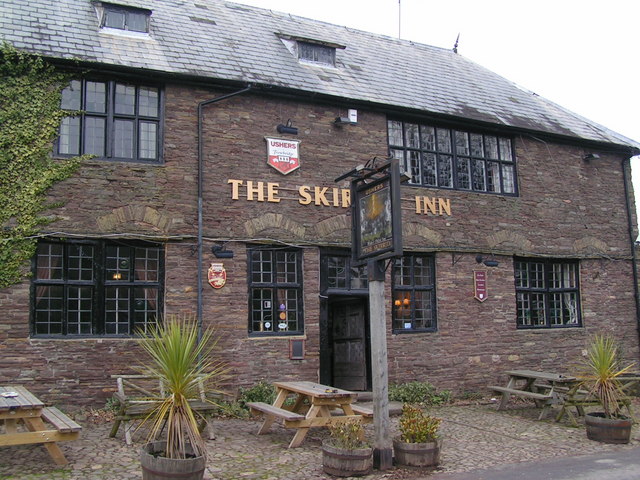

Under a mountain whose Welsh name means 'great split', the Skirrid Mountain Inn keeps an oak beam at the foot of its staircase. Legend says 180-odd criminals were hanged from it, some forced off the steps to suffocate slowly. Visitors are shown marks said to be rope scars. The inn says it dates from 1110, which would make it one of the oldest pubs going. Then came the archaeologists, who put the present building in the mid to late 17th century. There's no record of the hangings, and nothing puts Judge Jeffreys, the Hanging Judge, anywhere near the place. A famous name simply wandered into a pub legend and bought a drink.
Why it’s here: A cracking story that survives the paperwork badly, but a good story all the same.
Share this item

4 The Grenadier, Belgravia
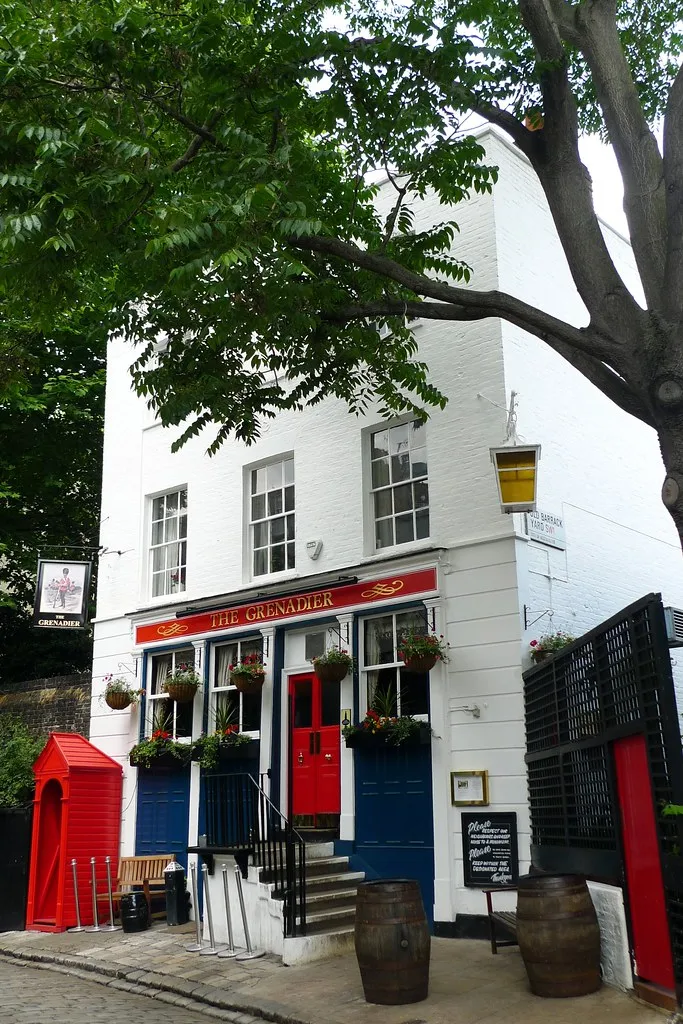
Tucked down a cobbled mews in Belgravia, the Grenadier is known as London's most haunted pub. Legend says its ghost is Cedric, a young officer beaten to death for cheating at cards. His spirit is supposed to be restless over the unpaid gambling debt, so visitors began leaving money to settle it. The ceiling is now papered with banknotes from around the world, and people are still adding to them. Then there is the paperwork. The heritage note says the cards ghost belongs to an earlier tavern, the Horse Grenadier, which closed by the 1830s. Belgravia once had three pubs called the Grenadier. Cedric may simply have moved house, debts and all.
Why it’s here: A vivid ghost and a lovely mechanism, with a paperwork twist that rewrites the address.
Share this item

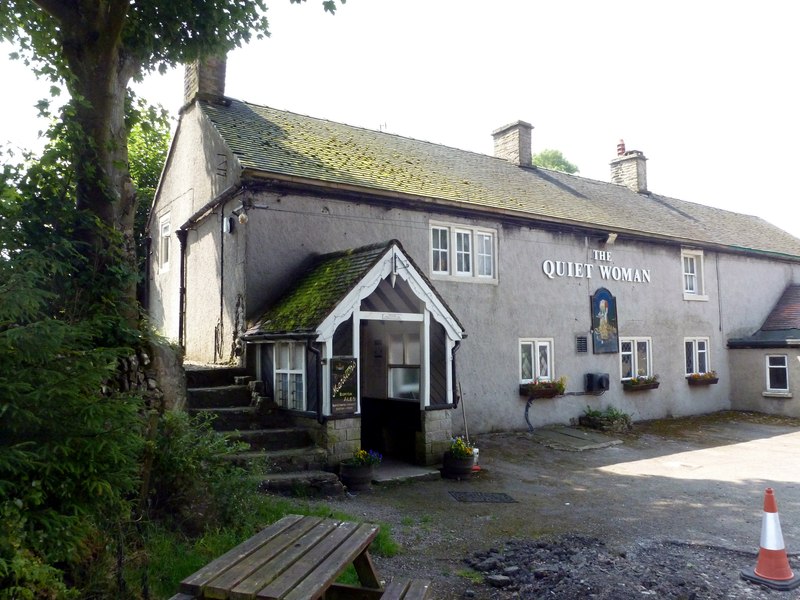
3 The Quiet Woman, Earl Sterndale, Derbyshire
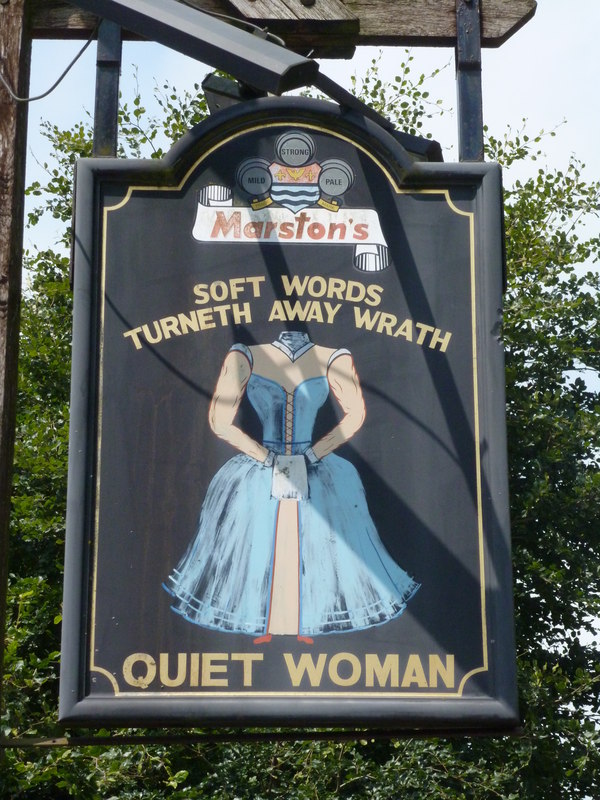

The sign outside shows a woman with no head, above the words "Soft words turneth away wrath". Legend says she was Chattering Charteris, a twelfth-century scold who nagged her publican husband from dawn till closing. When she started nagging in her sleep too, he reached for an axe. Here is the twist: legend says the village forgave him. They had a whip-round to pay for her headstone. Her ghost is said to haunt the pub. Ken Mellor, the landlord for years, died in August 2020, and the pub has been closed long term. Only two other pubs in the country share the name. Presumably the other two are quieter about it.
Why it’s here: The most gloriously daft 'solution' to a nagging wife on the list, and a village that went along with it.
Share this item

2 Jamaica Inn, Bolventor, Bodmin Moor, Cornwall
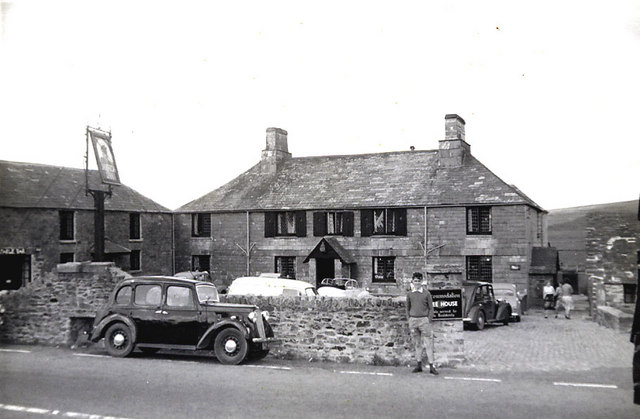

Jamaica Inn has stood on Bodmin Moor since 1750, a coaching inn where horses were swapped on the long road across Cornwall. Legend has it brandy and other contraband from France and Ireland came over the moor by packhorse and ended up hidden under its roof. Daphne du Maurier stayed in 1930, and six years later her novel gave the place its worldwide fame. In 2004 Most Haunted came calling, and the ghost trade boomed. Guests now leave toys and letters in a wardrobe in room 5 for Hannah, said to be a little girl. The inn was also a temperance house in the early 1900s. Dry, in a smugglers' inn.
Why it’s here: A vivid legend, a famous novel and a ghost trade that grew around both.
Share this item

1 The Red Lion, Avebury, Wiltshire
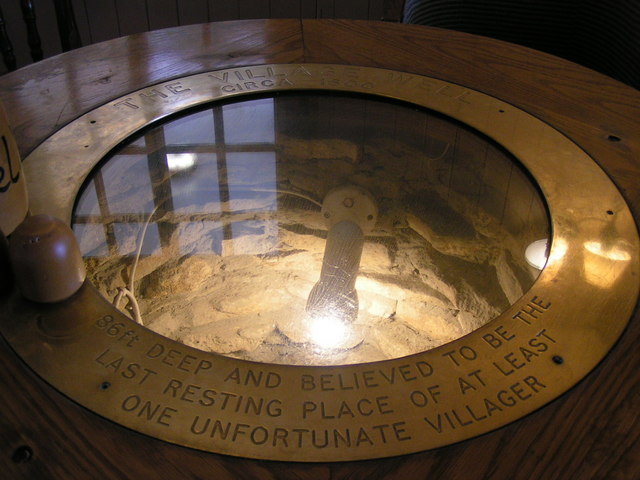

The Red Lion sits inside the Avebury stone circle, a Neolithic wonder that now has a pub in it. The building is early 1600s, a farmhouse until 1802, when it picked up a licence and became a coaching inn. Legend says a landlady called Florrie lived here in the Civil War. Her husband came home, found her with a lover, shot him and slit her throat. Then he dragged her to the well, threw her in and sealed it with a huge boulder. The well is 86 feet deep. It is now a glass-topped table, so you can eat your chips on top of the murder. Florrie is said to bother bearded customers and spin chandeliers. Nobody has ever asked her to stop.
Why it’s here: Best setting and best props: a murder well you can put your pint on, inside a stone circle.
Share this item

So that's ten pubs where the ghost list is longer than the wine list, and the paperwork is a lot shorter. Check the beam, mind the model ship, and tip the glass table. Now tell us which one we got wrong.