

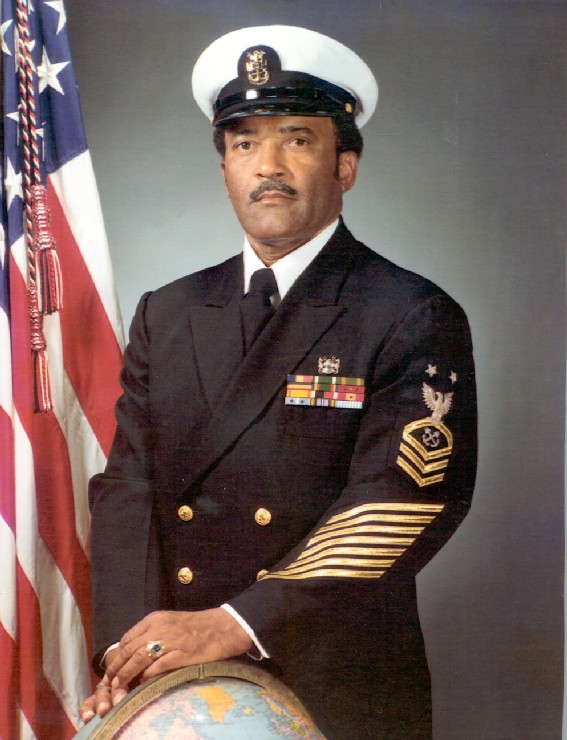
A steel pipe broke loose on the deck of USS Hoist on 23 March 1966 and flew across the planking. Carl Brashear saw it heading for another sailor and pushed him out of the way. The pipe hit Brashear instead.
Hoist was off the coast of Spain, where a B-52 and a KC-135 had collided over Palomares that January. A B28 hydrogen bomb had fallen into the sea, and Brashear's ship had been sent to recover it. The Navy had planned for the dangers of the deep. It had not planned for the deck.
The leg became badly infected. Saving it, he was told, could take up to four years, with no promise of a leg worth having at the end. Brashear looked at that offer and declined it. He had one aim, which was to dive, and he had to get back to diving.
So he opted to have the lower part of the leg amputated, which was done on 11 May 1966.
It is an odd sort of sum. Four years of mending against a few weeks of surgery, and the second option won because it was quicker. Most people would call that losing. It was, as it turned out, a head start.
The Navy saw it differently, and not unreasonably. Diving means cold, dark water, heavy kit and a body that has to work in an emergency. Medical retirement for a diver with an artificial leg was the expected path, and a fair call on medical grounds. Brashear simply did not take it.
What followed was long, hard rehabilitation, and he pushed for recertification. It came. In 1968 he became the first amputee to serve as a diver in the US Navy. It took two years for the Navy to let him back in the water. Eventually the paperwork lost.
He did not stop at getting back in. In June 1970 he graduated from the Deep-Sea Diving School at the Washington Navy Yard, and the Navy records him as its first African American Master Diver. Others dispute the 'first': John Henry Turpin, who worked on submarine salvage in the early twentieth century, is recognised as probably the Navy's first Black master diver, though the Navy had no formal diving school when he qualified.
Brashear had joined in February 1948, not long after the Navy was desegregated, and he met hostility along the way. He stayed 31 years and retired on 1 April 1979 as a Master Chief Petty Officer.
A Hollywood film was later loosely based on his life. The real version needed no extra help.
In 2008 the Navy christened a dry cargo ship USNS Carl Brashear in San Diego. It is a fairly large object to name after a man who was supposed to retire.