

Every product makes a promise, on the box, in the advert or at the launch. These are the ten where what turned up was something else entirely, and the stories are better than the products. Number ten is a cereal that changed its name and very little else. Number one is a vacuum cleaner offer that sent a pressure group to Iowa.
10 Honey Monster Puffs
For decades the box said Sugar Puffs, which was at least honest. By 2014 parents were going off the word, and sales fell 16 per cent in the first half of the year. So Halo Foods renamed the cereal Honey Monster Puffs, after the big yellow mascot who had fronted it since 1976, and put £3 million behind a campaign about healthy, active kids. The recipe got 20 per cent more honey. Sugar per 30g bowl went from 9.3g to 8.6g, less than a gram. When the new boxes reached shelves that November, the traffic-light label still showed sugar in red. The word left. The sugar mostly stayed.
Why it’s here: The smallest gap on the list, but the name promised more change than the bowl delivered.
Share this item

9 Bic Cristal For Her
The Bic Cristal is the plain see-through biro you have almost certainly chewed. Then came Bic Cristal For Her: the same pen in pink and purple, with an Amazon listing promising a 'thin barrel to fit a women's hand' and an 'elegant design—just for her!' In August 2012 shoppers on Amazon's UK and US sites found it, and hundreds of sarcastic reviews piled up. 'Finally! For years I've had to rely on pencils,' wrote one. Ellen DeGeneres joked about everyone having used 'man pens' all these years, and in 2013 the comedian Bridget Christie called her Edinburgh show A Bic for Her. In 2017 it went into the Museum of Failure, a fine achievement for a pen that wrote perfectly well.
Why it’s here: The promise was a pen designed for women; what turned up was a pen, and hundreds of reviewers said so.
Share this item

8 Sunny Delight
In April 1998 Procter & Gamble brought Sunny Delight to Britain with £10 million of promotion and a clever bit of shelf placement. It did not need refrigerating, but it was sold from the chiller cabinets, alongside the chilled fresh juices. Parents drew their own conclusions. It was about five per cent juice. First-year sales of £160 million made it the 12th-biggest brand in Britain, and by August 1999 only Coca-Cola and Pepsi outsold it among soft drinks. That December came reports of a four-year-old whose skin had turned orange from the colouring, after drinking about 1.5 litres a day. The same month, a new advert showed a snowman turning orange. Sales had halved by 2001.
Why it’s here: The promise was made by the shelf, not the label, and the drink's own colouring gave it away.
Share this item

7 The Sinclair C5
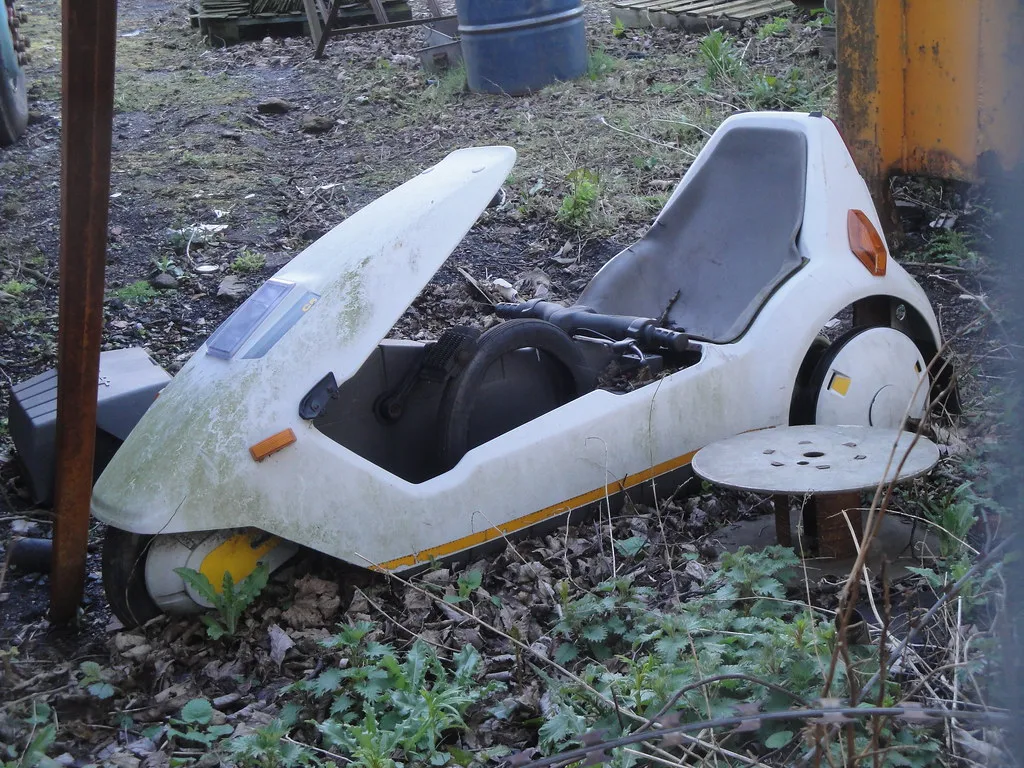
On 10 January 1985, at Alexandra Palace, Sir Clive Sinclair unveiled what he called 'a vehicle, not a car'. It was a single-seat electric trike with a 250-watt motor, pedals to help it along, handlebars under your knees, a top speed of 15mph and a claimed 20-mile range. It cost £399, a price it hit by selling the indicators, mirrors, horn and High-Vis Mast as optional extras. The launch was held in midwinter, on a snowy, icy hill, and many of the demonstration models failed; one reporter's battery went flat after seven minutes. Production was cut by 90 per cent within three months. By 15 October the company was in receivership. The future of transport had arrived, at 15mph, with the mirrors sold separately.
Why it’s here: A promise of the future of personal transport, delivered as a 15mph trike in the snow.
Share this item

6 Dasani in Britain
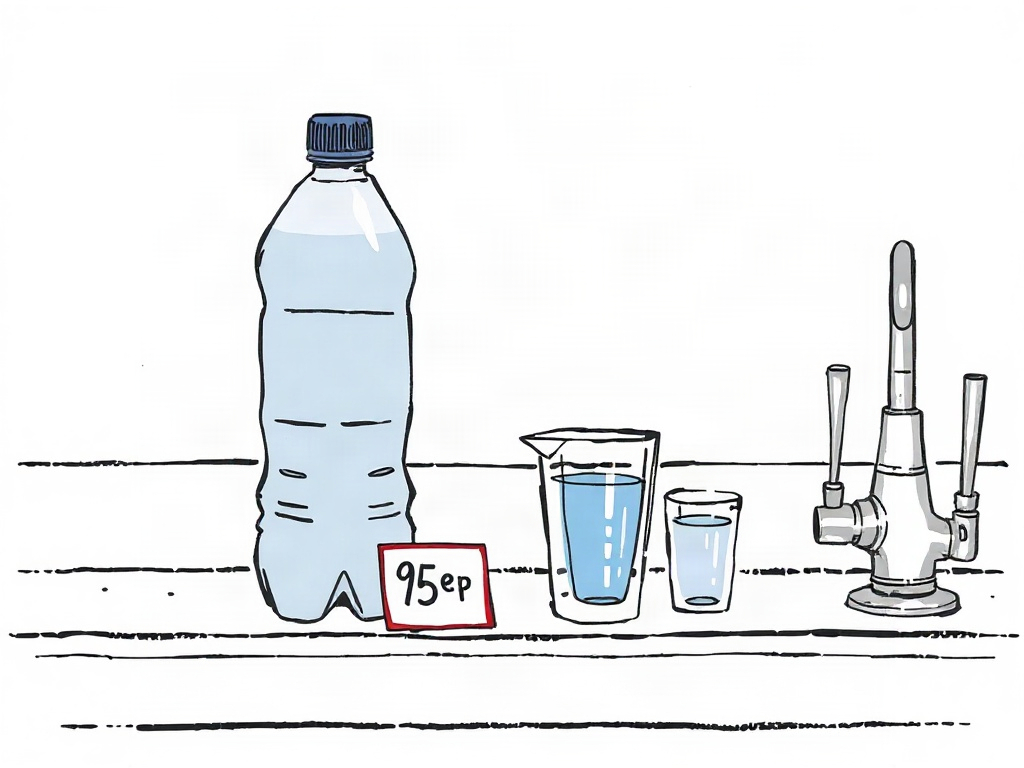
In early 2004 Coca-Cola launched Dasani in Britain with a £7 million budget and the promise of especially pure water. Where it came from soon came out: the mains supply at Coke's plant in Sidcup, south-east London, put through several filtration steps, reverse osmosis among them, with minerals added back. Half a litre cost 95p. The same amount from the tap cost about 0.03p. A National Consumer Council spokeswoman compared it to Only Fools and Horses, when Del Boy sold tap water as Peckham Spring. Then a step meant to add calcium pushed bromate in some bottles to more than twice the legal limit. Coke recalled half a million bottles, pulled the brand and never brought it back.
Why it’s here: Tap water sold as purity, then the purity step made it unsafe to sell.
Share this item

5 Ribena's vitamin C
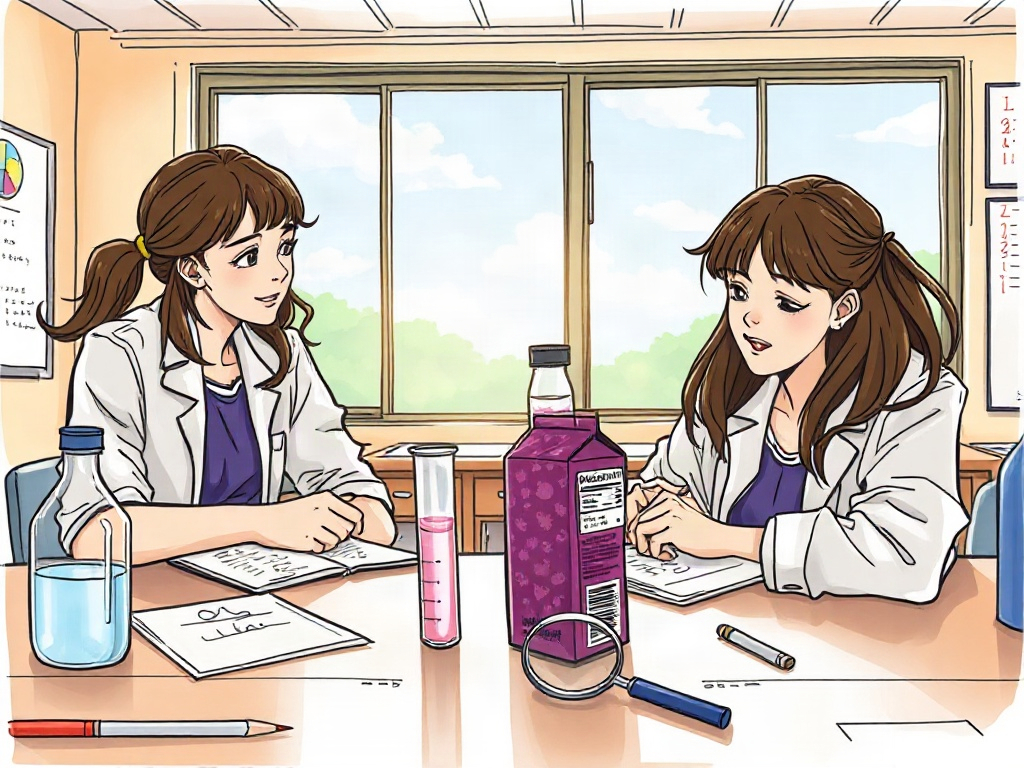
Ribena sold itself on blackcurrants, and blackcurrants on vitamin C. A New Zealand advert said they had four times the vitamin C of oranges. In 2004 two 14-year-olds at Pakuranga College in Auckland, Anna Devathasan and Jenny Suo, tested that for a school science project. The ready-to-drink cartons, labelled as 7mg of vitamin C per 100ml, had almost none. When the company did not resolve their complaint, a consumer TV show took it up, then the Commerce Commission, whose own tests found no detectable vitamin C at all. In 2007 GlaxoSmithKline pleaded guilty to 15 charges, was fined more than NZ$200,000 and had to run corrective newspaper adverts. GSK blamed its testing methods. The girls' testing methods were fine.
Why it’s here: A health promise undone by a school science project.
Share this item

4 The 2013 horsemeat burgers
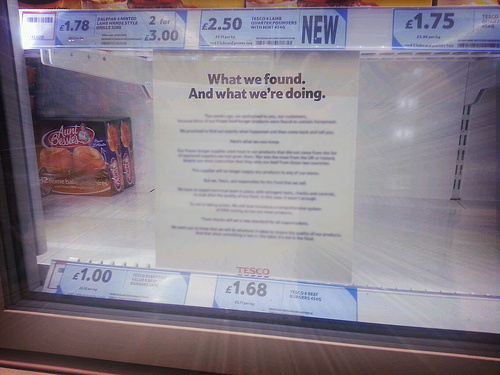
In January 2013 Irish food inspectors tested beef burgers for horse. Until then nobody had, because nobody expected any. Of 27 burger samples, ten had horse DNA and 23 had pig DNA. One Tesco Everyday Value burger was 29.1 per cent horse relative to its beef. Every other brand reported came in under 0.3. Weeks later, some Findus beef lasagne turned out to be up to 100 per cent horse. It had travelled from a Romanian slaughterhouse through a Cyprus-based trader operating in the Netherlands, then a French processor. In 2017 two men were jailed in London for mixing Irish horsemeat into Polish beef and labelling it 100 per cent beef. Beef was more of a description than an ingredient.
Why it’s here: Beef was promised, horse turned up, and nobody had even been looking.
Share this item

3 Persil Power
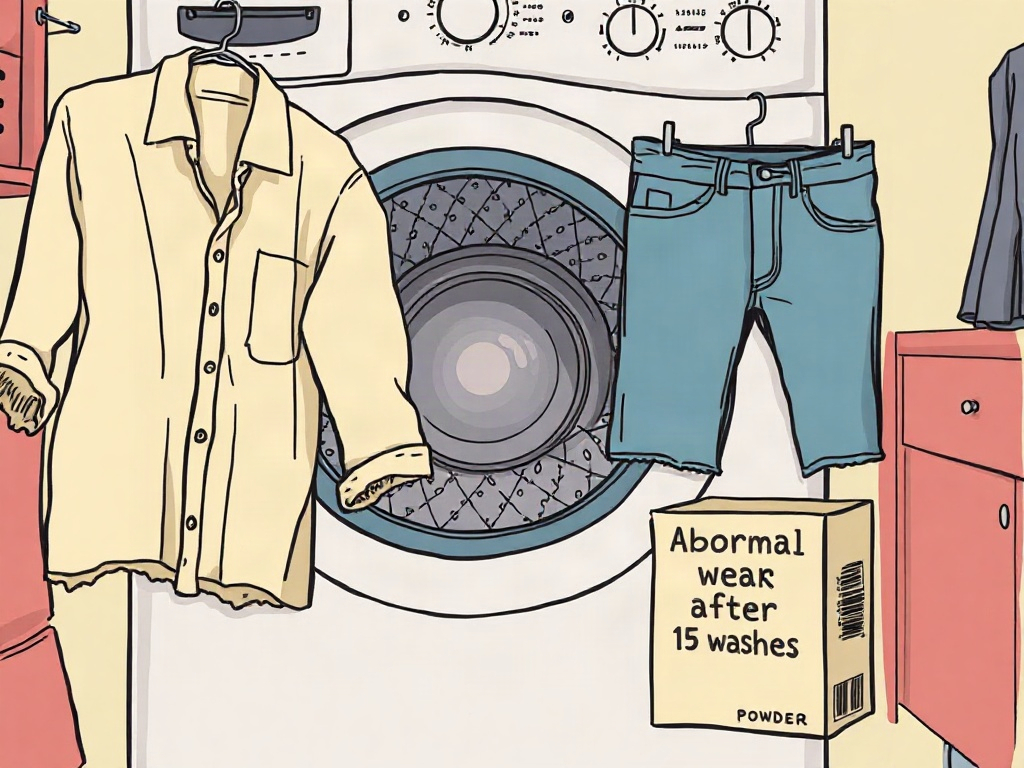
In May 1994 Unilever launched Persil Power with a big campaign and a secret weapon it called the Accelerator: a manganese catalyst that sped up the bleach, so clothes came clean at lower temperatures. Unilever had tested it mostly on new clothes, where nothing showed. On older ones, a few washes faded the colours, then weakened the fabric until it tore. Procter & Gamble, maker of rival Ariel, said its tests showed abnormal wear after as few as 15 washes. Unilever sued P&G for slander. Then it quickly dropped the case, admitted the flaw and wrote off £57 million. It was meant to be tough on stains. It was tough on everything.
Why it’s here: The promise was cleaner clothes, the result was fewer clothes, and the twist is Unilever suing the people who said so.
Share this item

2 Pepsi's Harrier jet
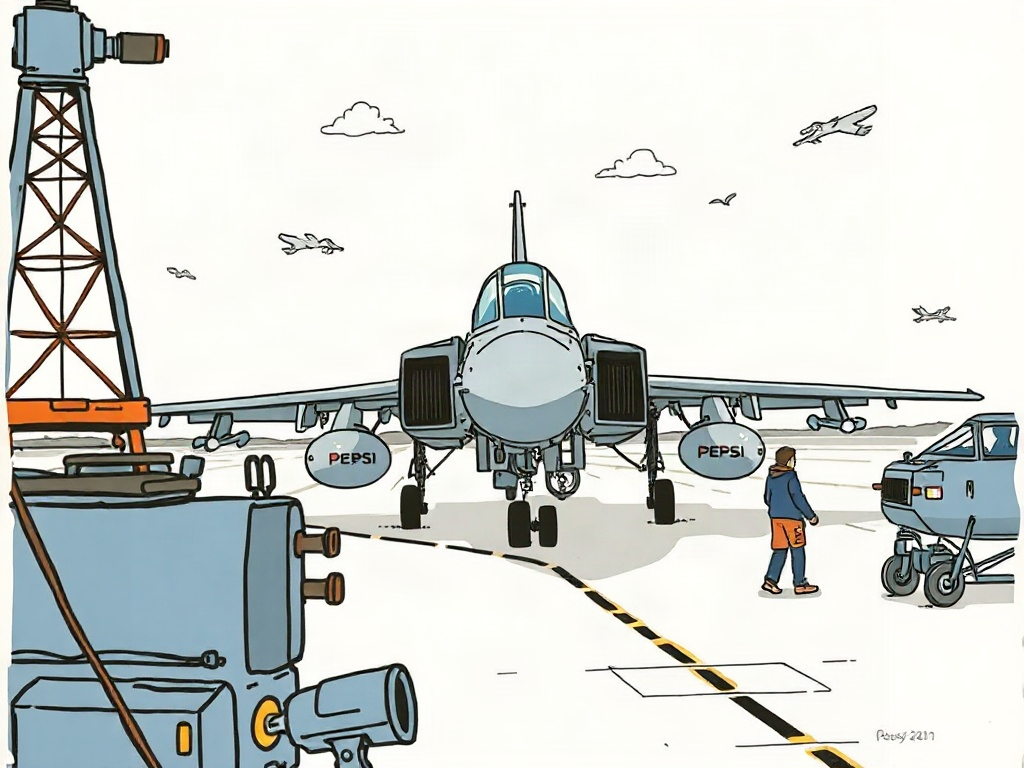
Pepsi's 1996 Pepsi Stuff advert, all prizes for points from Pepsi packs, ended with a teenager landing a Harrier jump jet outside his school. The caption read 'HARRIER FIGHTER 7,000,000 PEPSI POINTS'. It was a joke. John Leonard, a 21-year-old business student, read the catalogue instead: extra points could be bought for ten cents each. So the jet came to about $700,000. He got the money from five investors, wrote '1 Harrier Jet' on the order form and posted it with 15 original points and a cheque for $700,008.50. Pepsi wrote back calling the jet 'fanciful'. Leonard sued; in 1999 a judge ruled that no reasonable person would have seen an offer. Pepsi kept the advert going, with the jet repriced at 700,000,000 points and the words 'Just Kidding'.
Why it’s here: The one promise on the list that was a joke, and a student who did the maths anyway.
Share this item

1 Hoover's free flights
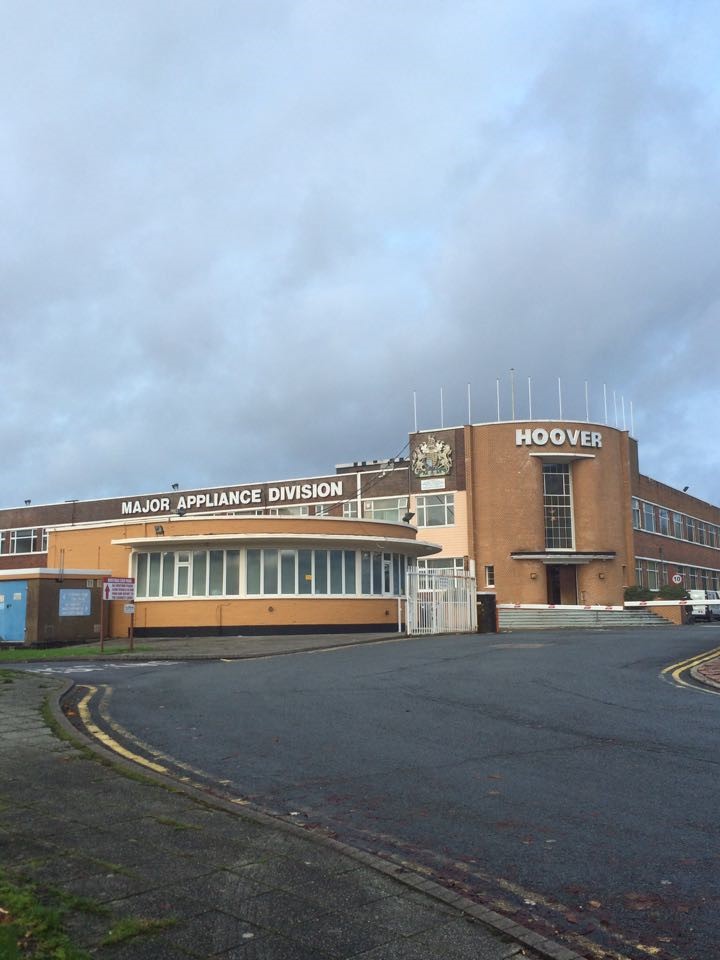
In August 1992 Hoover's British arm, which had recently tried a talking vacuum cleaner and found nobody wanted one, had a better idea. Spend £100 on its products and get two free return flights, first to Europe and then, from November, to America. Britain did the sums. Hoover had expected about 50,000 applications. It got around 300,000. Then came the hurdles: tight deadlines, and travel choices Hoover could refuse and swap for worse ones. About 220,000 people did fly to America. The bill came to about £48 million, three executives lost their jobs and Hoover Europe was sold in 1995. Angry customers formed the Hoover Holidays Pressure Group, bought shares in Hoover's American owner, Maytag, and went to its AGM in Newton, Iowa. One way or another, they got to America.
Why it’s here: The promise was so good that customers held Hoover to it, all the way to Iowa.
Share this item

The oddest thing about the list? One promise was kept. About 220,000 people really did fly to America on Hoover's offer. It cost the company about £48 million and three executives, which is the other way a promise can go wrong.